

Solemates
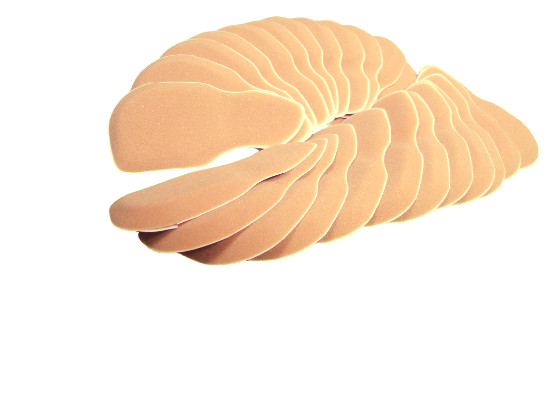
“MicroLifts”
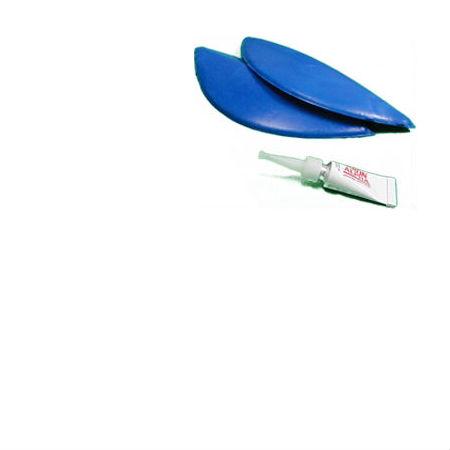
The world's smallest orthotic
Fits into high heels, strappy shoes, flip flops and bare feet.
SHOP NOW
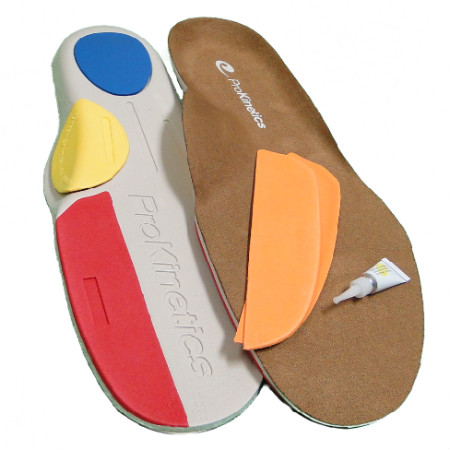
Replacement
insoles
Increase your athletic ability.
Perfect for trainers, boots and sturdy shoes.
SHOP NOW
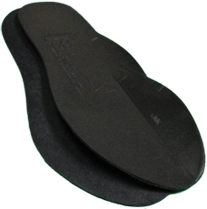
Ultrathin
insoles
Improve posture and eliminate pain.
Fits into everyday shoes and dress shoes.
Available in Youths, womens, men and XL mens sizes
SHOP NOW
Due to price rises and cost of living we have had to increase our products prices. We have tried to keep them as low as possible.
CORRECT YOUR FEET NATURE'S WAY
Welcome To Back2Feet
Have you tried everything from expensive custom fit orthotics to over-the-counter insoles with arch supports, heel cups and super cushions?
Are you getting confused about the claims and frustrated with your experience?
Don't give up!
Posture Control Insoles ® represent the next generation in correcting foot and body mechanics. Instead of restricting foot motion by hard or semi rigid shells and shapes, Posture Control Insoles ® are designed to cause your muscles to facilitate the correction. Foot mechanics, gait and posture is corrected naturally. Your feet and your body are strengthened by free natural motion rather than weakened by restricted motion as is the case with traditional orthotics and arch supports.
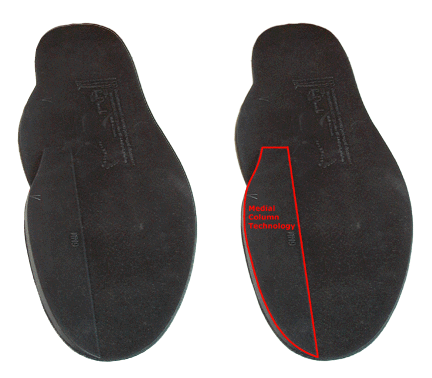
Posture Control Insoles ® include a forefoot technology (Medial Column Technology™) that provides specific feedback to the muscles controlling the foot. They are ultra-slim to fit in most shoes you already have and won't feel like foreign objects trying to push your feet out of your shoes.
The image shows the bottom side of the insole. The top is covered with a suede-like cloth. It has been proven that a more erect, neutral posture (not forward leaning) requires less muscle power to maintain balance, and that walking and running requires less energy when you have linear body mechanics compared to non-linear mechanics caused by hyperpronating feet. Posture Control Insoles ® will make you feel better and give you more energy.
Our Products!
Correct Your Feet Nature's Way
Symptoms
Every dentist knows there is a direct connection between posture and TMJ Dysfunction.
A forward leaning posture changes the position of the jaw. Dentists are increasingly looking at posture and it's impact on the position and motion of the jaw. An unstable pelvis and collapsing posture causes the head to move forward and down as well as slant to the right or left. Posture Control Insoles® will change your head postureand bite.
Every dentist knows there is a direct connection between posture and TMJ Dysfunction.
A forward leaning posture changes the position of the jaw. Dentists are increasingly looking at posture and it's impact on the position and motion of the jaw. An unstable pelvis and collapsing posture causes the head to move forward and down as well as slant to the right or left. Posture Control Insoles® will change your head postureand bite.
The most visible aspect of posture is the Scoliotic and Kyphotic curves of the spine. The spine is supposed to be straight in the frontal view (no scoliotic curves), and the Kyphotic curves (from the side) should be moderate. Too curved, or too straight can both cause pain and problems.
The most visible aspect of posture is the Scoliotic and Kyphotic curves of the spine. The spine is supposed to be straight in the frontal view (no scoliotic curves), and the Kyphotic curves (from the side) should be moderate. Too curved, or too straight can both cause pain and problems.
The pelvis is the base for the spine. If the pelvis is un-level in the frontal plane, abnormal scoliotic curves develop. Changes in the Kyphotic curves is often a response to a forward or backward tilt of the pelvis. Over-pronation causes the legs to rotate internally which forces the pelvis into a forward rotation, and because over-pronation is rarely symmetrical, the pelvis also becomes un-level. Both the scoliotic and kyphotic curves are impacted by improper foot mechanics. Posture Control Insoles® help stabilize the pelvis.
Subluxations and excessive curves of the back can cause Nerves to be Compressed or Entrapped as they exit the spine.
Providing a level pelvis is the key to a proper spine curvature and balance. Tight muscles caused by improper posture may also contribute to pinching nerves and result in pain. Posture Control Insoles® are helpful in stabilizing the pelvis, help correct the curves of the spine and relax your postural muscles.
Bad posture not only makes you look old, but is a primary source of pain and health problems affecting the entire body and its systems.
Decades ago, before medicine became "scientific" medical doctors used to pay close attention to posture because the doctors of the day had been taught in medical school how a faulty, sagging posture impacted virtually all the internal organs as well as the musculoskeletal system. Today, posture is more closely attended to by therapists and athletic trainers who are looking to optimize musculoskeletal performance. Lifting your chest bone, tucking in your stomach and butt, becomes a lot easier if your postural foundation is right. Posture Control Insoles® reduce over-pronation and stabilize your foot foundation.
Runner's Knee (Chondromalacia) is a condition where the knee cap (patella) is not tracking properly over the knee.
The reason for this condition is the torque placed on the knee by over-pronation. As the over-pronating foot tries to rotate the leg in and the hip is trying to rotate the leg out, the knee cap is caused to track incorrectly. Posture Control Insoles® reduce the internal rotation of the legs.
General Knee Pain is often caused by ligaments that are over stressed. The pain usually occurs where the ligaments attach to the bone. The pain can also stem from meniscus fractures.
All of these problems are typically related to excessive rotational torque displaced across the knee and may often feel worse if you wear shoes that have real good ground traction. Over-pronation sets up an internal rotation of the legs, creating this torque across the knees, so reducing pronation is the key to less pain. If your knee is swollen and if you have lost range of motion, give your knees some rest - maybe some ice.
Shin Splints is a condition that often occurs because of over- pronation. Shin splints is a muscle over-use problem because the wrong muscles are used to stabilize the feet. These muscles subconsciously activate to try to fight over-pronation.
Posture Control Insoles® are very effective in calming shin splints. The insoles engage the correct muscles to stabilize the feet so the painful muscles can relax.
Metatarsalgia, that irritating ball of the foot pain, is all because of over-pronation.
The over-pronating foot puts all the pressure on the second metatarsal head. The ball of the foot pain is all because of friction and pressure. High heels and bad shoes will make it worse, but Posture Control Insoles® take the pressure off the ball of the foot, instantly, and redistributes it more evenly across the forefoot. You will feel an instant difference.
Morton's Neuroma is usually a sharp pain between the third and fourth metatarsal heads that can radiate up the leg.
Morton's Neuroma is caused by the nerve being squeezed between two metatarsal heads. People who over-pronate rotate their feet inside their shoes, causing the forefoot to push toward the outside of the shoe. This pushes the toes and metatarsals together. Reducing the twisting of the foot by wearing Posture Control Insoles® quiets the neuroma.
Arch pain is usually felt where ligaments or tendons attach to the bone and it feels like a painful tear. Arch pain is similar to the heel pain called plantar faciitis and is treated the same way.
When the foot over-pronates, the fascia underneath the foot stretches, and in particular the fascia attached to the first metatarsal head. In addition to the fascia, tendons connect muscles to the first metatarsal, and these attachments can also be over worked and a cause of pain. Reducing over-pronation with Posture Control Insoles® will stop the arch collapse and twisting of the foot.
Bunions come from walking with the feet pointing out so instead of pushing off with the first metatarsal and big toe, you push off with your second metatarsal across the first toe. With every step you push the big toe to the outside and the bunion gets worse.
The bunion is an irritation and swelling response to the big toe joint being constantly stressed by forces it was not meant to handle. After a while the joint capsule breaks and tissue starts to for a permanent bunion. Only surgery will remove this extra tissue, but stopping over-pronation is imperative to prevent the bunion from getting worse or recurring after surgery. Posture Control Insoles® will help prevent your bunions from getting worse, and as you stop stressing the joint, the bunion will become less painful and may reduce.
Neck Pain and Tension Headaches are often posture related. Shifting your head forward of the spine just one inch effectively doubles the weight of your head.
When your head is forward, your jaw shifts forward causing additional muscle tension because of a change in your bite. This is often the cause of TMJ (Temporal Mandibular Joint) dysfunction. Ask your dentist! The key to reducing neck and headaches is to balance your posture. This is almost impossible to do without correcting your foot foundation. Posture Control Insoles® cause a posterior (backward) shift in your centre of gravity, reducing the forward lean in your posture. Your head will be back over the spine where it should be.
Neck Pain often turns into tension headaches and can start in the upper back and be felt all the way past the base of the scull. Imagine a person leaning into a computer screen using bifocals. That is a head posture that guarantees a neck ache. This head posture can also be originated by a head forward posture. The head doubles in weight with every inch it is shifted forward of the spine, and the neck muscles are exposed to over-use. Over-pronation is a main cause of this posture, so neck aches will resolve when over-pronation is eliminated and a normal posture is restored. Posture Control Insoles® reduce over-pronation.
Many people suffer from Upper Back and Shoulder Pain as a result of postural compensation problems that originate from the feet and un-level hips.
Over-pronation causes a functional leg length discrepancy and an unstable pelvis. This leads to postural compensation patterns. You may be raising one hip and the opposite shoulder causing constant muscle tension.
Sitting posture is impacted by your feet, and by your normal standing posture. If you have a slouching standing posture you'll probably have a slouching sitting posture. If you sit with your feet flat on the floor, not crossing your legs, your posture will be better. If you are accustomed to an erect posture while standing and walking, chances are that you will have a much higher degree of subconscious awareness of your sitting posture, and you will (subconsciously) correct it. Wear Posture Control Insoles® to correct your standing and walking posture.
Low Back Pain can encompass different categories Of pain, but is most Often muscle pain from overuse. Persistent long term low back pain deserves a visit with a knowledgeable medical professional who understands both the structural and the muscular parts of the body. A majority of low back pain sufferers are experiencing muscle pain often called trigger points (painful knots). These can be caused by an unstable pelvis from a physical or functional leg length difference, or from an excessive forvuard leaning posture leadina to muscle over-use just from standing up. A forward rotated pelvis which is the result Of over-pronation can also cause an excessive lordosis (curve of the lower back) which may be a contributing factor. Posture Control Insoles help because of three factors: 1] Functional leg length discrepancies are reduced, stabilizing the pelvis. 2] A posterior rotation (to the back) of the pelvis reduces lordosis. 3) A posterior rotation of the pelvis causes a posterior shift of the bodys centre of gravity which reduces the amount of forward leaning and muscle over-use.
Most people complaining about Hip Pain have a forward tilted pelvis.
Over-pronation causes internal rotation of the legs which automatically tilts the pelvis forward (butt and belly sticks out). This change in structural relationships cause ligaments to be stressed and pain to occur at the attachments. Muscle spasms and trigger points (painful knots) are often associated with this condition. Posture Control Insoles® reduce the hyperpronation and internal rotation of the legs.
Sciatica can be a painful condition ranging from localized pain in the buttock to pain travelling all the way down the leg.
Sciatica is the impingement of the sciatic nerve, and can be a symptom of more serious spine problems. However, most people suffering from Sciatica are experiencing the pain because of myofascial (muscle) trigger points (painful knots). A trigger point is a localized contraction within a muscle, and sometimes these contractions cause muscle entrapment of the sciatic nerve and pain. These trigger points are usually caused by muscle overuse because of an imbalanced body and bad posture or work habits that stress the muscles. Posture Control Insoles® help reduce the underlying over-pronation to stabilize the pelvis thus reducing muscle tension and trigger points.
That tearing feeling on the outside of the thigh from the hip to the knee may be tight IT Bands, which is a common complaint among runners who over-pronate.
This pain is due to the internal rotation of the legs caused by over-pronation. Reduce the over-pronation and get rid of the pain. Posture Control Insoles® will restore a normal gait.
Joint pain is often caused by ligament tightness or cartilage tears like a meniscus tear in the knee. This pain can be positional and intermittent. The most frequent cause and perpetuator of joint pain is the joint being exposed to abnormal motion. Over-pronators, for example, are exposed to an abnormal torque across the knee with every step because the over-pronating foot causes an internal rotation of the leg while the hip motion is rotating the leg extemally. The better your shoes grip the ground, the higher the torque across the knee. Posture Control Insoles significantly reduce the internal rotation Of the leg caused by over-pronation.
Tender and Tight Calf Muscles are often the result of an unstable forward leaning posture. Your calf muscles are working overtime (and so are your back muscles to prevent you from falling forward. Posture Control Insoles Cause a posterior postural shift (to the back) leading to a more upright, balanced posture So you can stand without using so much muscle power.
Weak Ankles is usually the same as excessive supination. Instead of the ankle leaning slightly in, it leans out. This leaning out is often a subconscious muscular response to the ankles leaning too far in if you relax your muscles (over-pronation). People who do this often roll their feet out when they stand because it feels better.
Your ankles are not really weak, but they are positioned such that they can easily roll or twist. If you get rid of this muscular over-compensation, your ankles will not lean out and your ankles will be more stable and feel stronger. Because Posture Control Insoles® reduce over-pronation, they will also reduce your subconscious over-compensation so your ankles will become better aligned and less exposed to injury.
Achilles Pain is usually felt where the tendon attaches to the heel bone. It can be caused by a rubbing heel counter, but is often caused by excessive and continuous tension in the tendon. Achilles pain is aggravated by hyperpronation directly because the heel bone tilts in and indirectly because of a forwuard leaning posture causing the calf muscles to tighten. Posture Control Insoles reduces the tension in the Achilles tendon by reducing pronation and improving posture.
That first step heel pain is called Plantar Faciitis and is typically felt right under the front portion of the heel where the plantar fascia (ligament) attaches to the heel bone. Plantar Faciitis is caused by over-pronation. Over pronation Causes excessive stretching of the foot which stretches the fascia underneath the foot. The continued stretching causes micro tears at the attachment to the heel and heel pain, with the potential for painful bone spurs. Posture Control Insoles reduce the foot twist and temporary use of a modest arch support will help the pain subside quickly.
Testimonials
"I think the insoles are great, and so far I haven't experienced the pain up the front of my legs when I walk or jog. I am now able to walk easily in a straight line, and when I wear the insoles I get very little heel pain. Thank you so much for seeing me and fitting the insoles".....
J.W. Clapham, London
"I tried my carbon fibre orthotics again on a training run, and again they blistered my arch. So I thought I'd try yours. To be honest. I never thought they'd work. To my surprise, they were fantastic! I am now seriously contemplating running my next marathon in them. You've got a convert on your hands, and I'm telling lots of people about them!"......
T.W. Wimbledon, London
"I have tried several types of shop bought orthotics in the past, all of which would only fit into "clumpy" shoes, and by the end of the day were uncomfortable. I don't even know I'm wearing your insoles! They are so comfortable!".......
M.J. London
"Having suffered from heel pain for two years, and been unable to wear shoes, I was prepared to try anything. After four days of wearing the insoles you fitted me with, my heel pain disappeared. Unbelievable! I cannot tell you how grateful I am".......
T.S. Surrey
"They were so thin, I couldn't see how they could help. I'm glad I tried them though. No more shin splints, and my visits to the chiropractor for my back trouble are becoming less frequent"……..
A.D. London